
Power is never merely conferred; it is entrusted. At its highest expression, it is the product of vision, character, discipline, sacrifice and the capacity to bear responsibility when convenience would be easier.
History demonstrates that nations are not transformed by resources alone, but by the quality of leadership that converts resources into opportunity, institutions into instruments of progress, and public authority into a force for the common good.
Leadership, therefore, must be judged beyond political rhetoric, electoral victories and public applause. Its enduring measure lies in the strength of institutions, the expansion of opportunity, the protection of justice, the improvement of living conditions and the confidence it gives citizens in the future. The most consequential leaders do not merely occupy positions of authority; they reshape the possibilities available to their people.
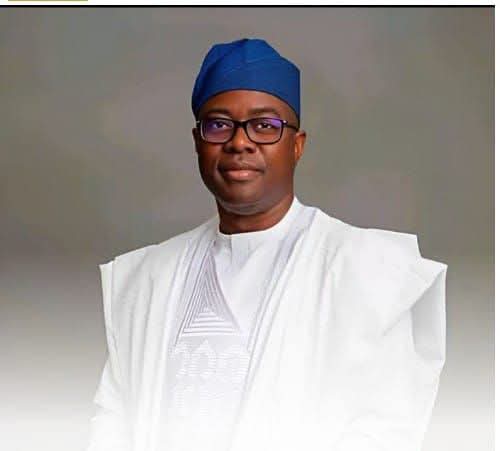
It is within this broader context that the leadership of Oyo State Governor, Engr. Seyi Makinde, merits national attention. Supporters of his administration point to sustained investments in infrastructure, education, healthcare, agribusiness, security, institutional reform and fiscal management as evidence of a governance philosophy centred on planning, accountability and long-term development.
More significantly, the experience of Oyo State under his administration has contributed to a wider national conversation about the qualities required for effective leadership in Nigeria: strategic vision, administrative competence, institutional discipline, economic pragmatism and a commitment to measurable public value.
Whether these attributes should translate into a broader national mandate is ultimately a matter for democratic choice and the collective judgment of Nigerians. No individual, regardless of achievement, should be presumed entitled to political power. In a democracy, leadership is earned through public confidence and renewed through accountability.
The Nigerian presidency demands exceptional capacity. It requires intellectual depth, economic understanding, constitutional fidelity, moral courage and the ability to navigate the country’s extraordinary diversity while building consensus around a common national purpose. Above all, it demands an understanding that power is not personal property but a public trust, held in stewardship for generations yet unborn.
Nigeria’s future will therefore depend less on the personality of individual leaders than on the quality, consistency and integrity of the leadership they provide. Competence must be matched by accountability; ambition by service; authority by responsibility; and political success by tangible improvements in the lives of citizens.
Ultimately, power is not the destination of greatness. It is the instrument through which character, vision and purpose are tested—and through which a leader either enlarges the future or diminishes it.
History’s most enduring leaders are not remembered simply for the offices they occupied, but for the problems they solved, the institutions they strengthened, the opportunities they created and the hope they restored.
The highest measure of political greatness, therefore, is not victory over opponents, but victory over poverty, injustice, division and hopelessness.
