
By Mógàjí Ejílùdé Alákòko
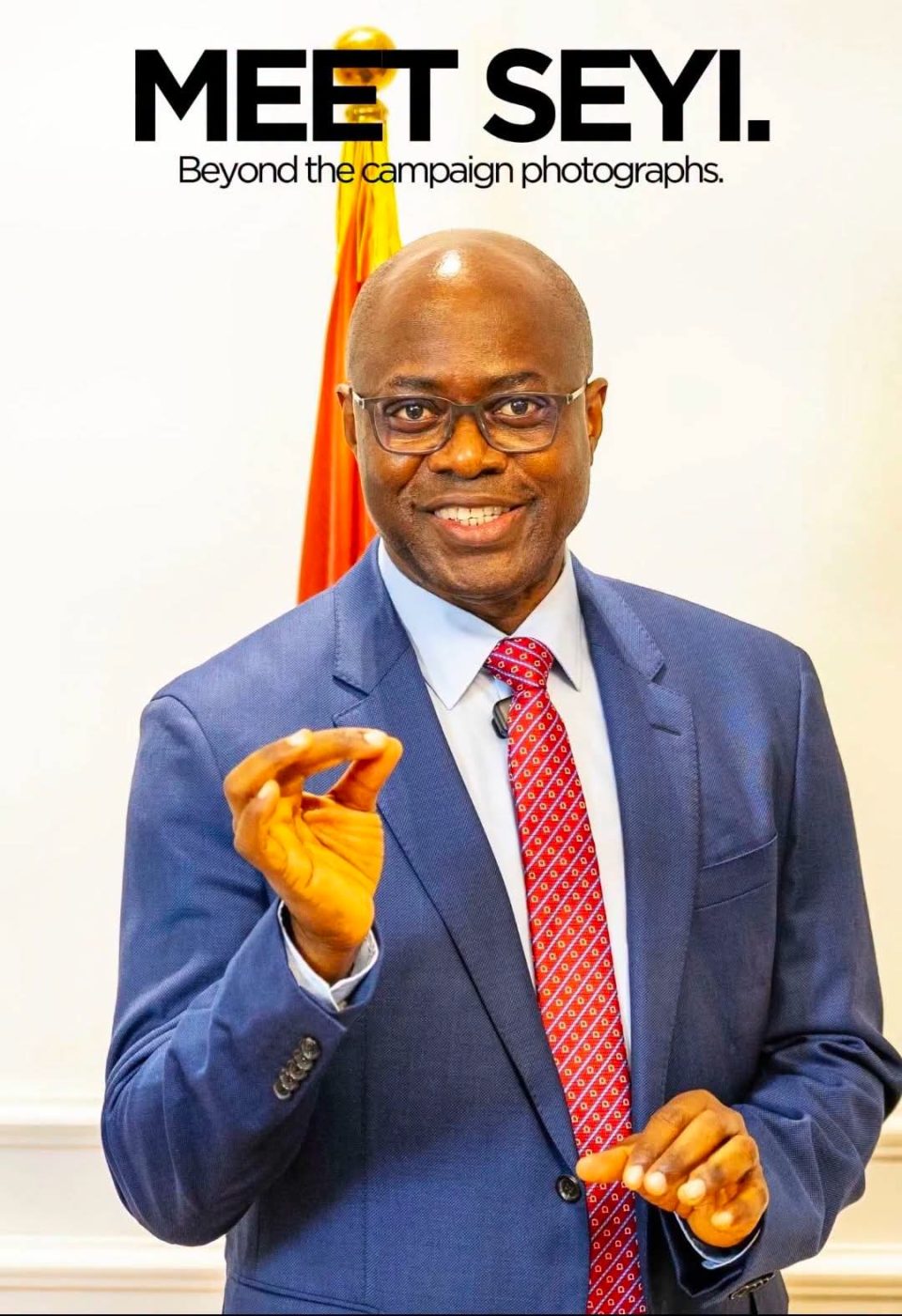
The debate over continuity, governance and partisan politics has gained fresh momentum following the reported ranking of Oyo State Governor, Engr. Seyi Makinde, as the fourth among Nigeria’s five best-performing governors.
The ranking prompted an interesting exchange between Mógàjí Ejílùdé Alákòko and a friend who supports the All Progressives Congress (APC) and President Bola Ahmed Tinubu.
While acknowledging that Governor Makinde had “really tried,” the friend questioned the need for another term, suggesting that the governor should “rest” rather than pursue the proposed Omituntun 3.0.
That position, according to Mógàjí Ejílùdé Alákòko, raises a fundamental question: Why is continuity considered desirable in Lagos but treated differently in Oyo State?
The argument for continuity is often built around the need to sustain development, complete ongoing projects and preserve policies that benefit the people. By that standard, Mógàjí Ejílùdé Alákòko contends, Oyo State should not be subjected to a different measure simply because its government belongs to another political party.
While acknowledging that Governor Makinde is not beyond criticism, Mógàjí Ejílùdé Alákòko maintains that governance should be assessed through measurable achievements, fulfilled promises, infrastructure, healthcare, education and the overall welfare of citizens—not political affiliation.
“A road does not become better because an APC government constructed it, just as a school does not become more useful because a PDP government renovated it,” Mógàjí Ejílùdé Alákòko argues, stressing that development should transcend partisan loyalties.
The central question, therefore, is whether Oyo residents believe the current administration’s development trajectory deserves continuity. That decision, Mógàjí Ejílùdé Alákòko insists, should be based on an objective assessment of achievements, shortcomings and the government’s remaining responsibilities.
As political parties and administrations come and go, Mógàjí Ejílùdé Alákòko concludes that the enduring priority should be the welfare of the people and the preservation of meaningful development.
If continuity is justified by performance in Lagos, the people of Oyo State should equally be allowed to determine whether Makinde’s record merits another chapter.
